
Discover Our Curriculum for Early Childhood Education
Early childhood education is a crucial stage in a child's development. It lays the foundation for lifelong learning and growth. At our institution, we understand the importance of this phase. Our curriculum is designed to nurture young minds, fostering creativity, curiosity, and critical thinking.
In this blog post, we will explore the key components of our early childhood education curriculum. We will highlight how each element contributes to a child's overall development.
The Importance of Early Childhood Education
Early childhood education is more than just learning letters and numbers. It is about developing social skills, emotional intelligence, and cognitive abilities. Research shows that children who participate in quality early education programs are better prepared for school and life.
Our curriculum focuses on holistic development. We aim to support children in various areas, including:
Cognitive Development: Encouraging problem-solving and critical thinking.
Social Skills: Promoting teamwork and communication.
Emotional Growth: Helping children understand and express their feelings.
By addressing these areas, we prepare children for future challenges.
Play-Based Learning
One of the core principles of our curriculum is play-based learning. Children learn best when they are engaged and having fun. Through play, they explore their environment, develop new skills, and build relationships.
Types of Play
We incorporate different types of play into our curriculum, including:
Free Play: Children choose their activities, fostering independence and creativity.
Guided Play: Educators provide direction while allowing children to explore.
Structured Play: Activities with specific goals, helping children learn new concepts.
Each type of play has its benefits. For example, free play encourages creativity, while structured play helps with focus and discipline.
Thematic Units
Our curriculum is organized into thematic units. Each unit focuses on a specific topic, allowing children to explore subjects in depth.
Examples of Thematic Units
Some of our popular thematic units include:
Animals: Children learn about different species, habitats, and behaviors. Activities may include animal crafts, storytelling, and field trips to local zoos.
Seasons: This unit explores the changes in nature throughout the year. Children engage in activities like planting seeds in spring and observing leaves in fall.
Community Helpers: Children learn about various professions and their roles in the community. They may visit a fire station or invite a police officer to speak.
These thematic units make learning relevant and exciting.
Social and Emotional Learning
Social and emotional learning (SEL) is a vital part of our curriculum. We believe that children need to develop emotional intelligence alongside academic skills.
Key Components of SEL
Our approach to SEL includes:
Self-Awareness: Helping children recognize their emotions and understand their strengths.
Self-Management: Teaching children how to manage their feelings and behaviors.
Social Awareness: Encouraging empathy and understanding of others' perspectives.
Relationship Skills: Fostering teamwork, communication, and conflict resolution.
By integrating SEL into our curriculum, we prepare children to navigate their emotions and relationships effectively.
Language and Literacy Development
Language and literacy skills are essential for academic success. Our curriculum emphasizes reading, writing, and communication from an early age.
Strategies for Language Development
We use various strategies to promote language and literacy, including:
Storytime: Reading aloud to children helps develop listening skills and vocabulary.
Interactive Activities: Games and songs that involve language encourage participation and learning.
Writing Opportunities: Providing materials for drawing and writing fosters creativity and expression.
By creating a rich language environment, we help children become confident communicators.
Math and Science Exploration
Math and science are integral parts of our curriculum. We introduce these subjects through hands-on activities and real-world experiences.
Engaging Math Activities
Some engaging math activities include:
Counting Games: Using everyday objects to practice counting and number recognition.
Shape Exploration: Identifying shapes in the environment and creating art projects.
Measurement Activities: Using tools like rulers and scales to explore size and weight.
Science Discovery
For science, we encourage curiosity through exploration. Activities may include:
Nature Walks: Observing plants and animals in their natural habitats.
Simple Experiments: Conducting experiments to learn about cause and effect.
Gardening: Teaching children about plant growth and responsibility.
These activities make math and science fun and accessible.
Creative Arts
Creativity is a vital part of our curriculum. We believe that artistic expression enhances cognitive and emotional development.
Areas of Focus
We incorporate various forms of art, including:
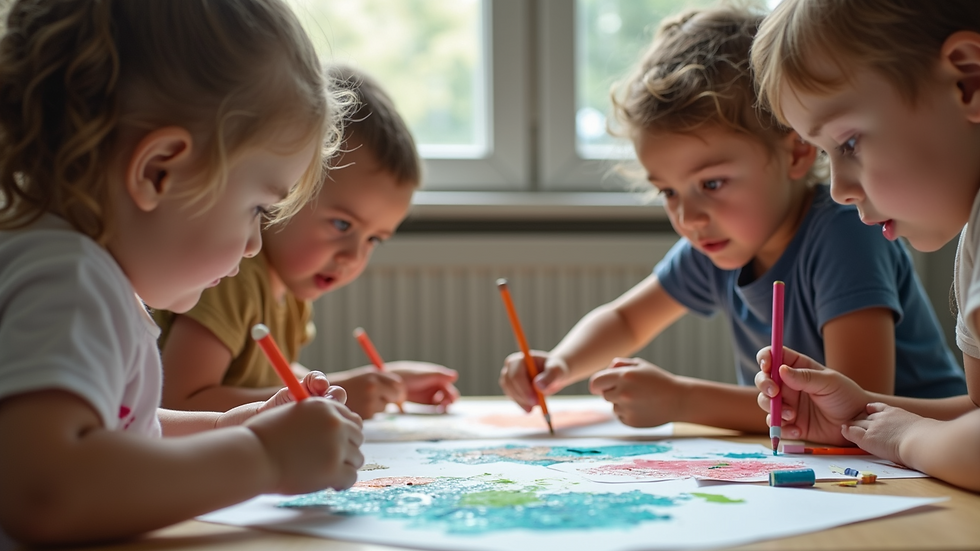
Visual Arts: Painting, drawing, and crafting allow children to express themselves.
Music and Movement: Singing, dancing, and playing instruments promote physical coordination and rhythm.
Drama: Role-playing and storytelling encourage imagination and confidence.
By providing opportunities for creative expression, we help children develop their unique voices.
Family Involvement
We recognize that families play a crucial role in a child's education. Our curriculum encourages family involvement through various activities and events.
Ways to Engage Families
Some ways we engage families include:
Parent-Teacher Conferences: Regular meetings to discuss a child's progress and goals.
Family Events: Organizing events like open houses and family nights to foster community.
Volunteer Opportunities: Encouraging parents to participate in classroom activities and field trips.
By involving families, we create a supportive learning environment.
Assessment and Progress Monitoring
Assessing children's progress is essential for tailoring our curriculum to their needs. We use various methods to monitor development.
Assessment Methods
Some assessment methods include:
Observations: Educators observe children during activities to assess skills and behaviors.
Portfolios: Collecting samples of children's work to track growth over time.
Checklists: Using developmental checklists to ensure children meet key milestones.
These assessments help us understand each child's unique strengths and areas for growth.
A Holistic Approach to Learning
Our curriculum is designed to be holistic. We believe that education should address the whole child, including their physical, emotional, social, and cognitive needs.
Benefits of a Holistic Approach
A holistic approach offers several benefits, such as:
Balanced Development: Supporting all areas of growth ensures well-rounded children.
Increased Engagement: Children are more engaged when learning is relevant and meaningful.
Stronger Relationships: Fostering social skills leads to better relationships with peers and adults.
By focusing on the whole child, we prepare them for success in school and life.
Final Thoughts on Our Curriculum
In conclusion, our early childhood education curriculum is designed to nurture and support young learners. We focus on play-based learning, thematic units, social and emotional development, and creative expression.
By providing a well-rounded education, we prepare children for future challenges. We believe that every child is unique and deserves the best start in life.
If you are interested in learning more about our curriculum or enrolling your child, please reach out. We would love to partner with you in your child's educational journey.


Comments